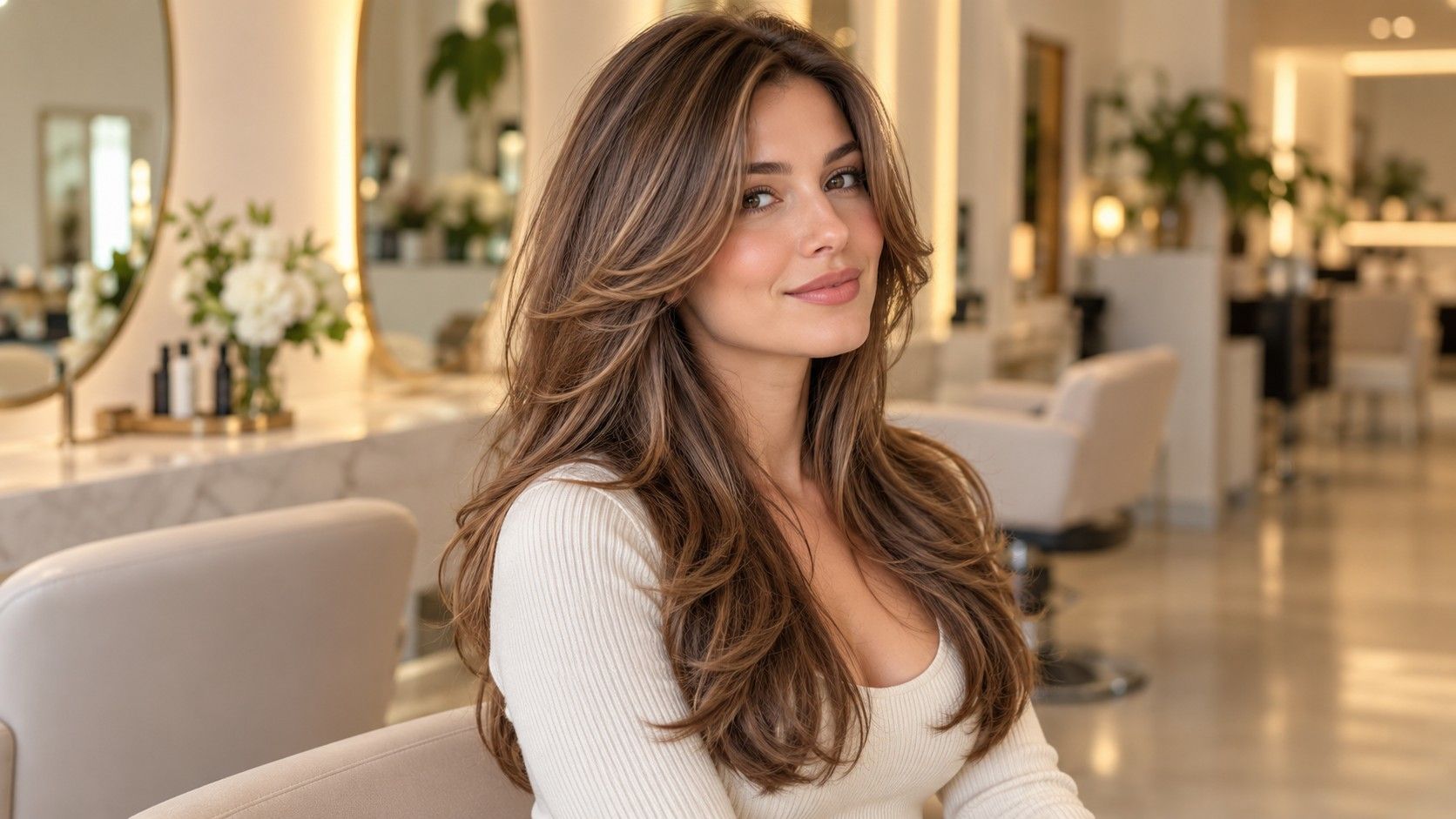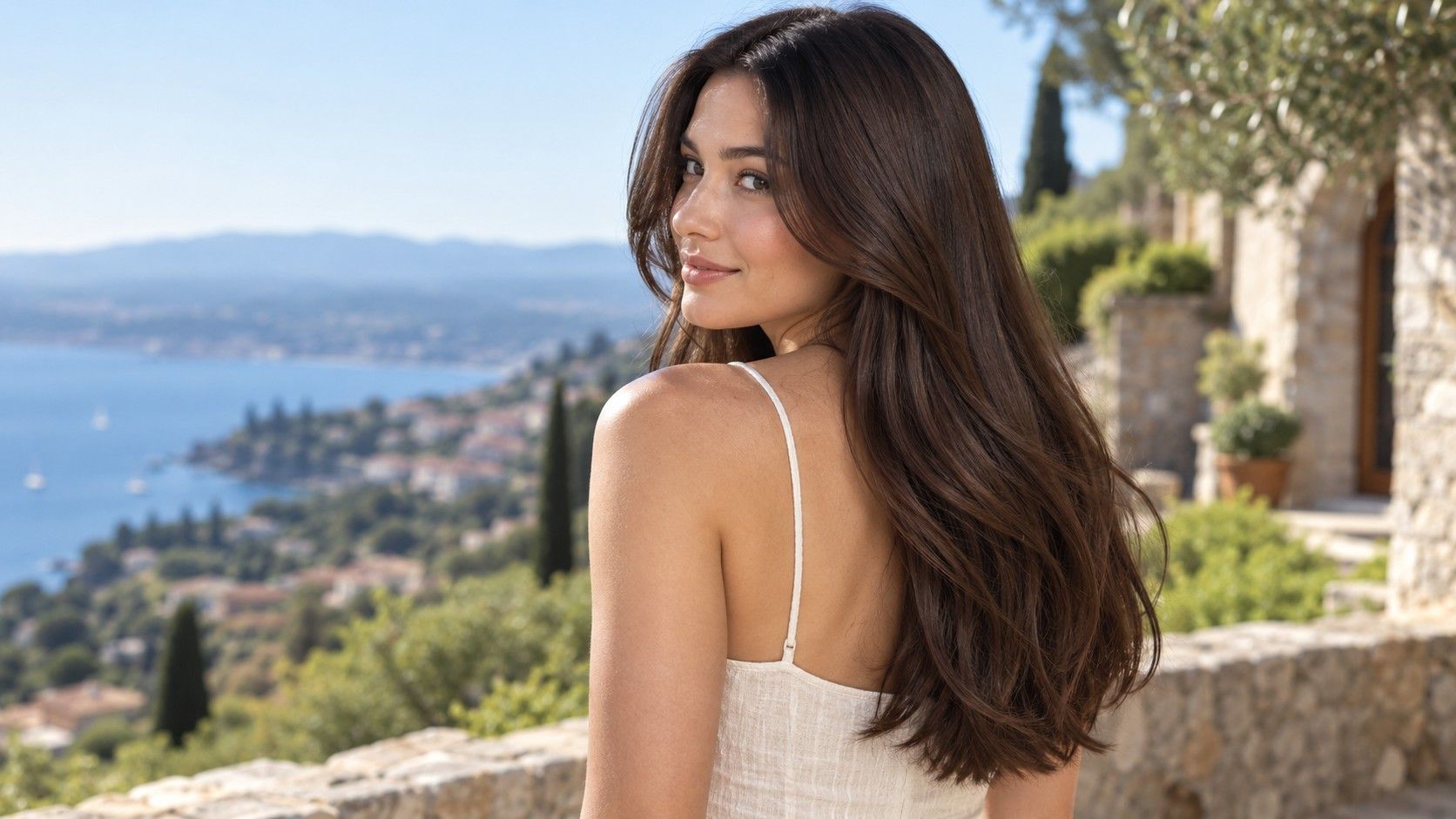
Invisible layers appeal to anyone who wants lighter, more movable hair without an obvious new silhouette. The name can make the change sound risk-free, but it does not identify one standardized cutting method. A stylist may mean discreet internal shaping, long blended layers, or another approach that keeps the outside outline relatively calm. Before agreeing, ask where hair will be shortened, what will stay full, and how the finished cut should look without a salon blowout.
Describe the change you want to feel and see
Start with a particular problem. Perhaps the hair feels bulky behind the ears, hangs as a heavy block at the back, or resists the gentle bend you try to create at the ends. “Make it lighter” leaves a great deal open to interpretation. Pointing to the crowded area and explaining what happens after washing gives the stylist a practical target.
Then identify the qualities you want to preserve. These might include a straight bottom edge, a substantial ponytail, or a smooth outer surface with no short pieces near the parting. Invisible layers are most useful as a description of the result you hope for. They should not replace an explanation of the actual changes proposed for your hair.
Ask to see the intended shortest length before cutting. If keeping the overall appearance is important, discuss how the shorter sections will sit under or within the longer ones. Some change may become visible when you move the hair, wear a different parting, or put it up. “Invisible” should mean discreet in the agreed finish, rather than a promise that no shortened section will ever show.
Compare subtle movement with a visible layered shape
Visible layers create an intentional difference in length that contributes to the outside silhouette. You may see shorter curves beside the face, a rounded crown, or a cascade through the back. That can be the right choice if you want the haircut to look noticeably different even before styling. A subtle approach is less likely to give you that dramatic outline.
Internal shaping often aims to change how the hair sits while keeping the surface and perimeter more continuous. However, the term does not tell you how much hair will be removed. Ask the stylist to explain the area being adjusted and the effect they expect. A small targeted change behind the ears is different from substantial weight removal across the whole head.
Face framing is another separate decision. You can keep the main outline restrained and still choose shorter pieces beside the face, but those pieces will be visible. If you show a reference because you like its fringe, say so. Otherwise, a photograph with striking front layers can suggest a much bigger change than your request for hidden movement implies.
Look at photographs without curled ends when possible. A large blowout can create separation and curves even on a cut with modest layering. Conversely, straightening can make some transitions look quieter. Compare the cut's outline and the styling as two related choices, so you do not request discreet layers while expecting the drama of a fully shaped finish.
Check whether your density can spare the weight
A subtle appearance does not automatically make a technique suitable for every density. If the bottom edge is already thin, removing more hair internally may leave less substance where you want fullness. Ask the stylist to assess the perimeter in its natural fall. It helps to see the ends against a contrasting cape, without stretching them into a compact section.
Fine strands and low density are different features. A person can have many fine hairs or fewer thick ones, and both situations need a more specific discussion than the word “fine.” Explain whether the problem is heaviness, a flat shape, tangling, or a sparse-looking edge. The same request for invisible layers may be interpreted differently depending on that starting point.
With dense hair, focus on where the bulk is inconvenient. You may dislike width near the jaw but appreciate the weight that helps the lower lengths hang. Removing material everywhere can sacrifice that balance. A targeted proposal lets you discuss the problem area while keeping other parts of the shape substantial.
Existing layers also matter. If the shortest sections are still growing out, adding more hidden shortening may complicate your attempt to regain an even outline. Tell the stylist about previous cuts you disliked and show where those pieces now sit. Sometimes reshaping the perimeter and waiting is more consistent with your goal than introducing another level of layers.
Ask what happens after the first wash
The first salon finish is only one version of the haircut. Describe your usual drying method, parting, and how often you tie the hair up. Ask how the proposed shaping is likely to behave with those habits. A result designed around smooth blow-drying may feel very different when the hair air-dries in its natural texture.
On straight hair, check whether any shorter sections could become noticeable as distinct edges when the surface is smooth. On waves, ask how taking weight away might affect the bends that already appear. With curls, discuss the dry resting position of the shortened sections. None of these questions has a single answer across all heads of hair; they give the stylist a reason to tailor the proposal.
If your hair tends to stand away from the head after weight is removed, mention that experience without trying to diagnose it. Bring an ordinary photograph from that period if you have one. Your own observed behavior is more useful than a general promise that hidden layers always reduce puffiness or always add volume.
Before leaving, see the hair hanging freely in its usual part. Move it forward and back and try an ear tuck. Ask which parts of the finished look depend on the styling just performed. If a quick front-section adjustment is enough for you, learn that step. If the whole cut requires a daily blowout to look the way you want, reconsider whether the chosen level of shaping fits your routine.
Keep the first appointment conservative and specific
A measured first change can be sensible when you want to preserve the outline. Ask the stylist to identify a limited area or a modest amount of shaping, then assess how the hair settles before deciding whether more is needed. This is a consultation choice, not a request to dictate cutting technique. The stylist should be able to explain the relationship between the adjustment and your stated problem.
Agree on what will remain unchanged in measurable terms: the approximate dry perimeter position, the minimum front length, and the sections that must reach a ponytail. Bring the hair toward your usual tie position before committing to shorter pieces. Even discreet layers can escape when the hair is gathered, particularly if you change between a low ponytail and a high bun.
Do not use the small visual change as a reason to skip questions about texturizing. Layering and removing weight within a section are related but distinct decisions, and salon language varies. Ask what is proposed, why that area needs it, and how much fullness should remain. Clear answers matter more than whether a fashionable name appears on the appointment menu.
Judge success by the original problem
A quiet haircut can be difficult to evaluate if you look only for a dramatic before-and-after photograph. Return to the reason for booking. Does the hair sit more comfortably behind the ears? Is the lower outline still substantial? Can you arrange the ends with the amount of effort you expected? A subtle result should have a practical purpose, even if it photographs much like the previous cut.
Give the stylist feedback after you have washed and worn it normally. Note the areas that improved and any sections that now feel too light or stand out when tied back. Take a photograph in an ordinary finish with the hair both forward and behind your shoulders. It creates a concrete record for adjustments without requiring you to remember salon terminology.
If you later want a more noticeable change, visible layers remain an option. You will have learned how your hair responds to a smaller adjustment and which qualities you want to keep. For the next consultation, describe those observations directly. The best reason to choose invisible layers is that discreet shaping suits your priorities, not that the name promises every benefit of layering without a trade-off.