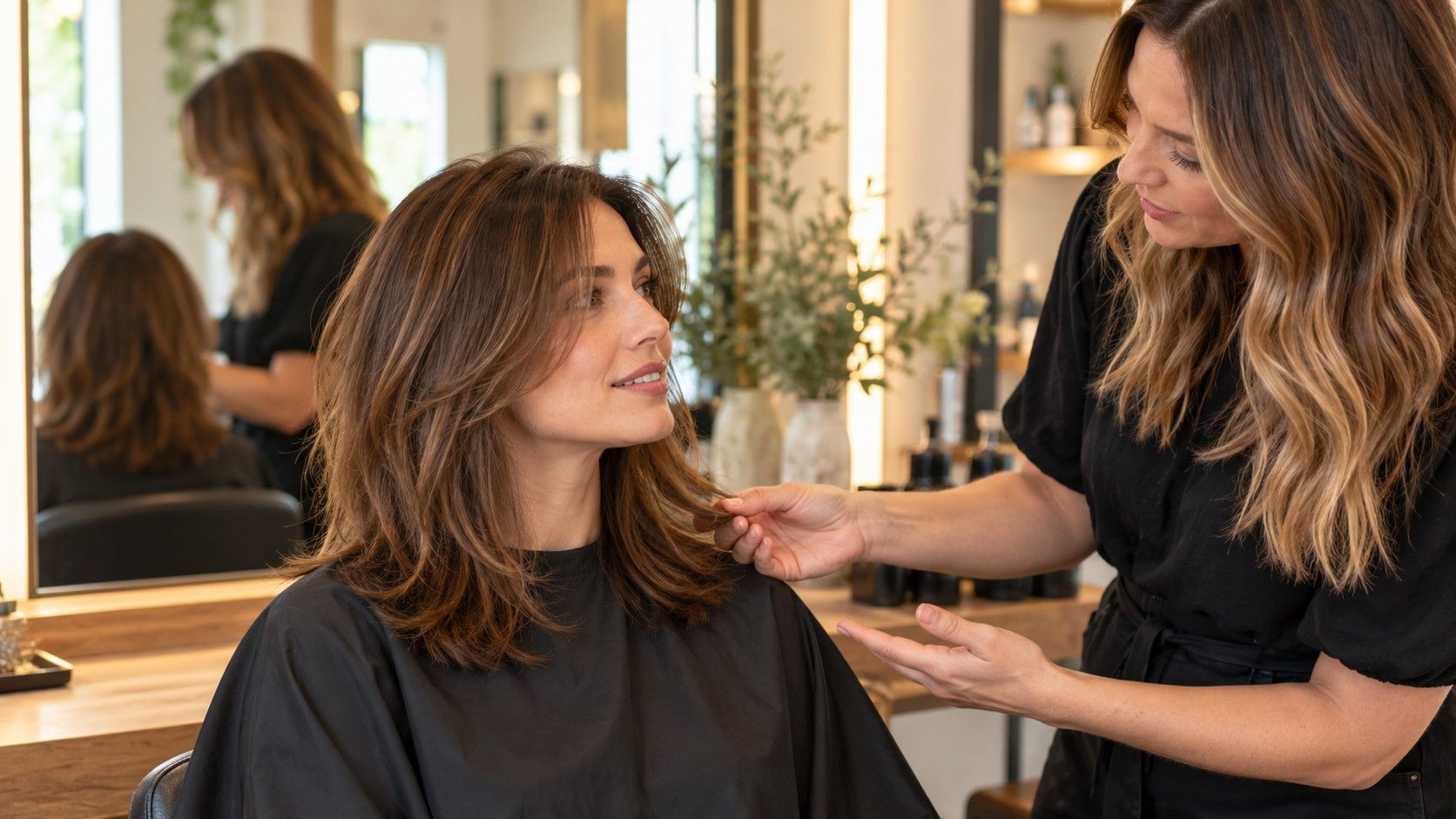
A useful layered haircut consultation ends with a shared picture of the cut: the overall length, the shortest piece, the fullness left at the ends and the effort needed to style it. “Some layers” leaves too much open to interpretation. Bring a few references, explain what your hair does after washing, and identify the lengths you need to keep before the scissors come out.
Choose references that explain one clear preference
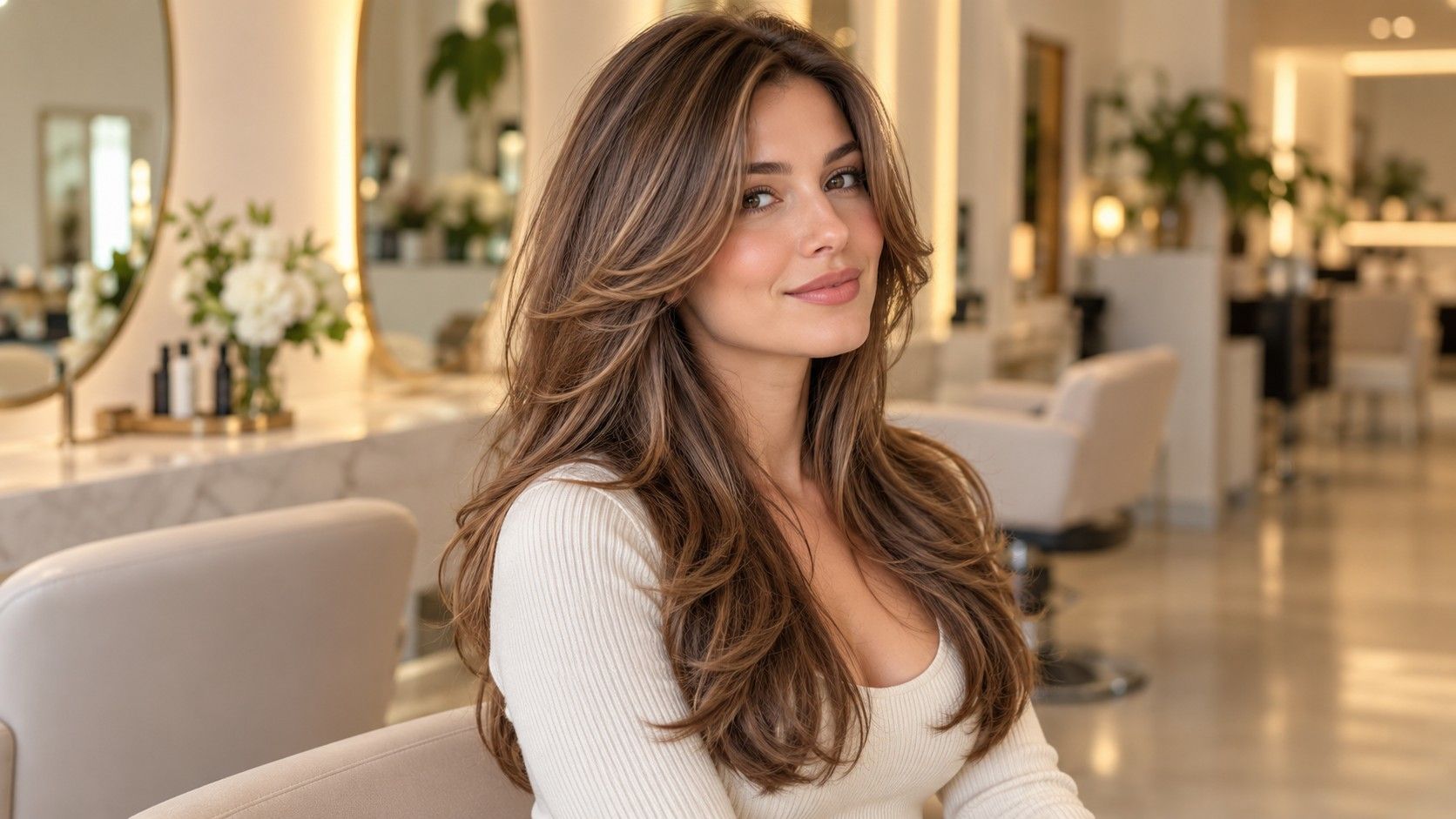
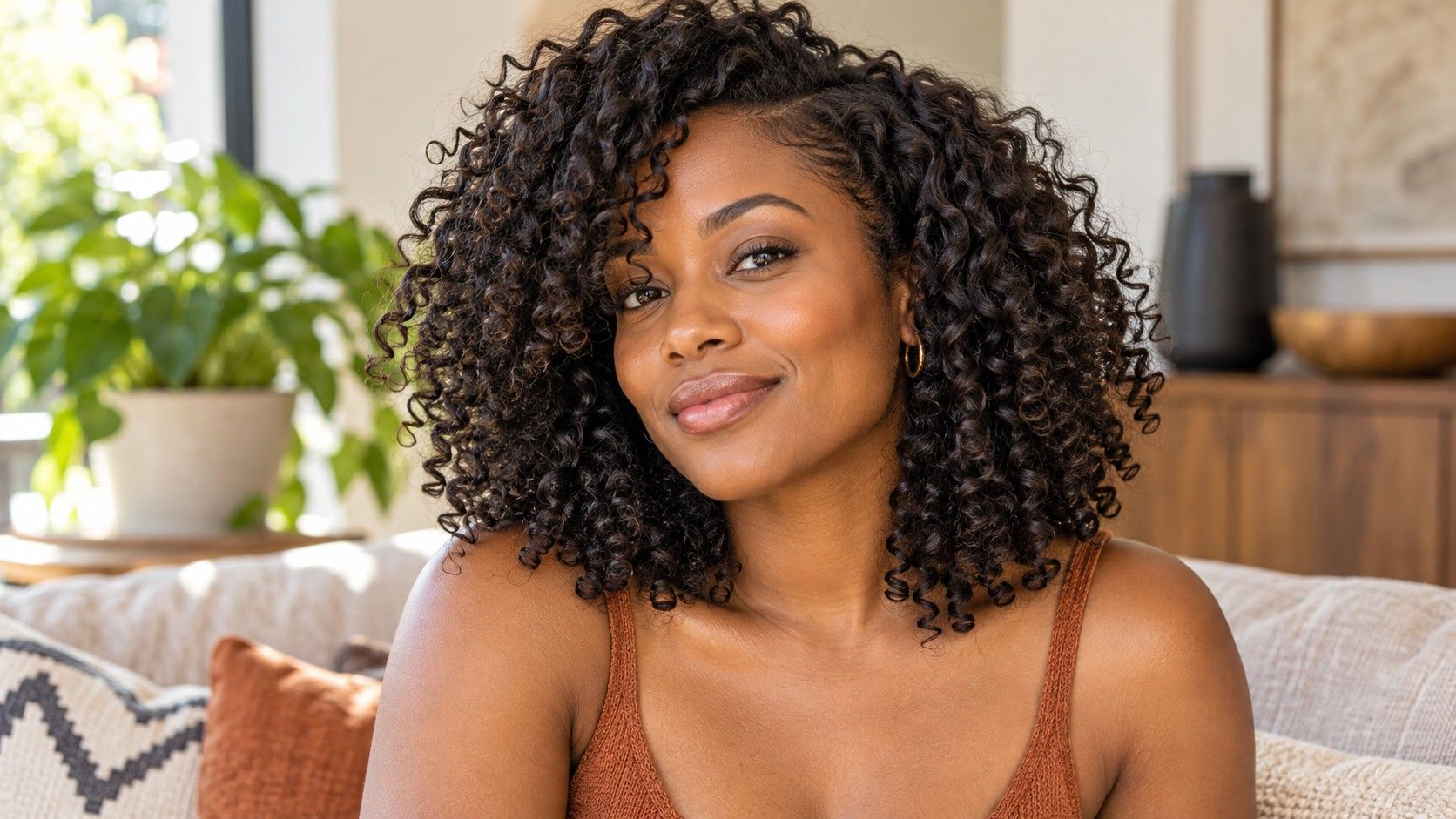
Two or three carefully chosen photographs are easier to discuss than a phone full of different cuts. Look for hair with a similar natural texture and a comparable-looking amount of fullness. A dense, heavily styled head of hair can carry layers that would leave a lighter outline looking sparse. You do not need an exact match, but you do need to understand which parts of the reference can reasonably translate.
Say what you like in each picture. It might be the way the front turns away, the strong lower edge, or the movement through the middle. Those features can be considered separately. If the pictures contradict each other, ask the stylist to point that out: one may have short crown layers while another keeps most of its weight near the bottom.
Include a side or rear view when possible. A front photograph with every section curled forward can hide the back and make the perimeter difficult to read. A glossy blowout also shows styling as well as a haircut. Ask, “Which part of this result comes from the cut, and which part comes from the finish?” The answer helps set a realistic goal.
Show your own hair before it is wet
An ordinary photograph of your hair can be as useful as an inspiration image. Bring one taken after your usual wash and drying routine, with the hair loose and the part where you normally wear it. If you arrive with a bun or ponytail, explain that any flat roots or stretched waves may come from having it tied back.
Ask the stylist to look at the areas that behave differently: a crown section that stands up, a side that turns outward, or a heavier patch behind an ear. A natural growth pattern can affect where a short layer settles. Seeing it dry gives the discussion more substance than describing every inconvenient section as frizz or bulk.
Separate strand thickness from density when talking about fullness. Fine strands do not always mean there is little hair, and coarse strands do not always mean a dense outline. You can simply point to the parts you want preserved. “The sides already look light, so I want them to stay substantial” is a clear request without needing technical labels.
Agree on the shortest layer and the bottom edge
Point to the shortest dry length you would be comfortable wearing. Then ask the stylist to show where the proposed first layer will land. Cheekbone, jaw and shoulder lengths can feel very different during the day, especially when the front falls forward. A general request to keep the overall length does not automatically protect the length of the shorter sections.
Discuss the perimeter separately. This is the outside line at the bottom of the cut, and it can remain strong while some movement is added above it. If you dislike wispy ends, say so directly. Ask how much hair will stop reaching that edge once the layers are added, particularly if your existing ends already separate into narrow points.
For waves and curls, ask about the dry result rather than judging length only while the hair is damp. Some sections may rise or bend differently after weight is removed. There is no single shrinkage allowance that applies to every head of hair. The stylist should be able to discuss your texture and the intended finish before deciding how short to begin.
A practical request might be, “Keep the bottom near this point, preserve a full-looking edge, and start the shortest layer no higher than here when dry.” It gives the stylist room to design the cut while making your boundaries visible. If you are uncertain, a longer first layer can be an easier change to assess than a dramatic short one.
Describe what happens between salon visits
Explain your normal styling routine in concrete terms. Do you air-dry, use a diffuser, blow-dry with your fingers or shape every section with a brush? Say how much time you usually spend and which tools you actually own. A cut that depends on a polished blowout may be frustrating if your usual routine is to leave the house with damp hair.
Show how you tie your hair. A high ponytail, low bun and claw clip need different pieces to reach their hold. If all the hair must be secured for work or exercise, make that a clear priority. If loose front pieces are welcome, demonstrate the amount you would happily leave out. “Long enough to tie back” becomes much more precise when the stylist can see the tie.
Put on your glasses if you wear them, and mention regular tucking behind the ears. Short face-framing pieces can catch on the frames or fall forward after being tucked. Ask to check the front with your glasses during the appointment. Also mention a part that you switch from side to side; a frame arranged around one fixed part may behave differently when moved.
Maintenance is part of this conversation. Tell the stylist whether you prefer frequent shape adjustments or allow a cut to soften between appointments. Ask which feature is likely to need attention first. The front may feel too long before the back loses its outline, so the next visit does not always need to repeat the entire haircut.
Ask where weight will come out and what stays
Terms such as soft layers, invisible layers and texturizing can mean different things in different salons. You do not need to select a cutting technique. Ask where the stylist plans to remove weight, what that should change, and how the shorter pieces are expected to sit. A plain-language description of the result matters more than agreeing to an unfamiliar label.
If your hair feels bulky, locate the problem. The lower lengths may feel heavy while the crown needs its existing weight to lie smoothly. Removing hair everywhere could change areas you already like. Say, “This section feels too solid, but I like the fullness here,” and point to both. That helps keep the plan focused.
Share previous results you disliked, with details rather than a blanket ban on layers. Perhaps the back formed a shelf, the ends looked stringy, or short pieces stood out near the ears. Ask how the proposed approach differs. A useful response should connect the plan to your concern and acknowledge what your natural texture may still do.
Confirm whether face framing is included in the plan or being discussed separately. A modest change around the face can look noticeable without extensive layering behind it. Conversely, a broader frame can take hair from the sides even when the back is left alone. Ask the stylist to show the section before a substantial change.
Confirm the first step and judge the dry result
Before cutting begins, repeat the key points together: the overall length, the shortest layer, the edge to preserve and the finish you want to manage at home. If the plan has changed during the conversation, make sure you are agreeing to the current version. It is easier to resolve an uncertain length while it can still be pointed out in the mirror.
Ask to see the haircut dry from the front, sides and back. Use your usual part, try tucking the front and check the tied-back arrangement if that was important. A mirror check before every section is heavily polished can show how the natural shape behaves. Then a styled finish can demonstrate another option without becoming the sole test of the cut.
Have the stylist demonstrate the simplest helpful styling step. It might be redirecting one front section or drying a bulky area in smaller sections. Ask how much product is being used and where it goes. Follow any heat tool instructions and use an appropriate protectant rather than repeatedly heating a section to make it copy a photograph.
Give the cut a few normal washes before deciding which small adjustment would help. Note a specific issue, such as front pieces escaping a ponytail or ends feeling lighter than expected. A clear dry photograph helps explain it at a follow-up. If your goal changes to growing the layers out, say that before a maintenance trim so the shorter lengths are not automatically reset.
The strongest question to take into the salon is a practical one: “How will this cut work with my hair and the way I wear it?” A careful answer should cover the visible shape, the limits of the reference and the routine behind the finish. That shared understanding is a better starting point than asking for an undefined amount of layers.