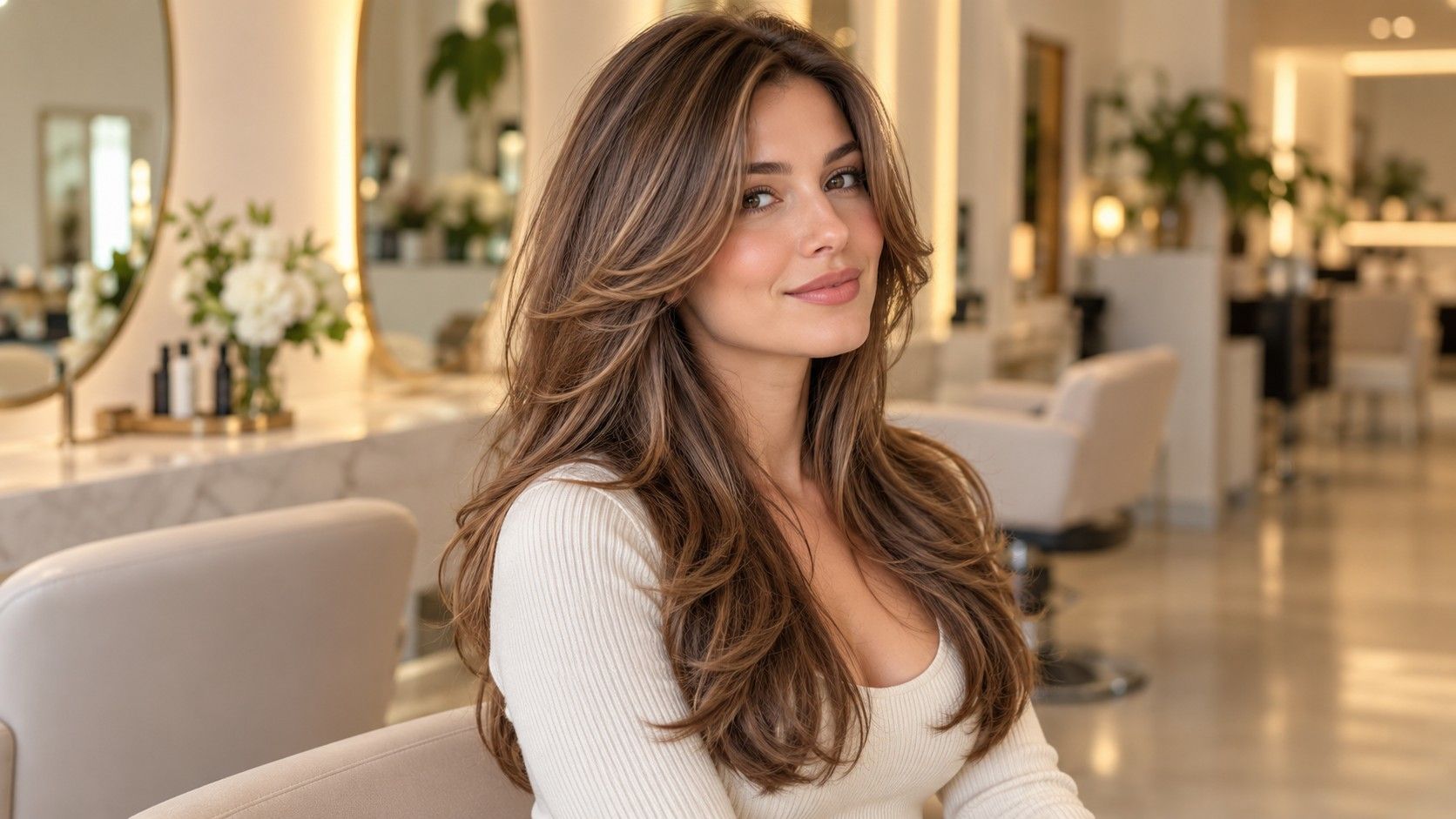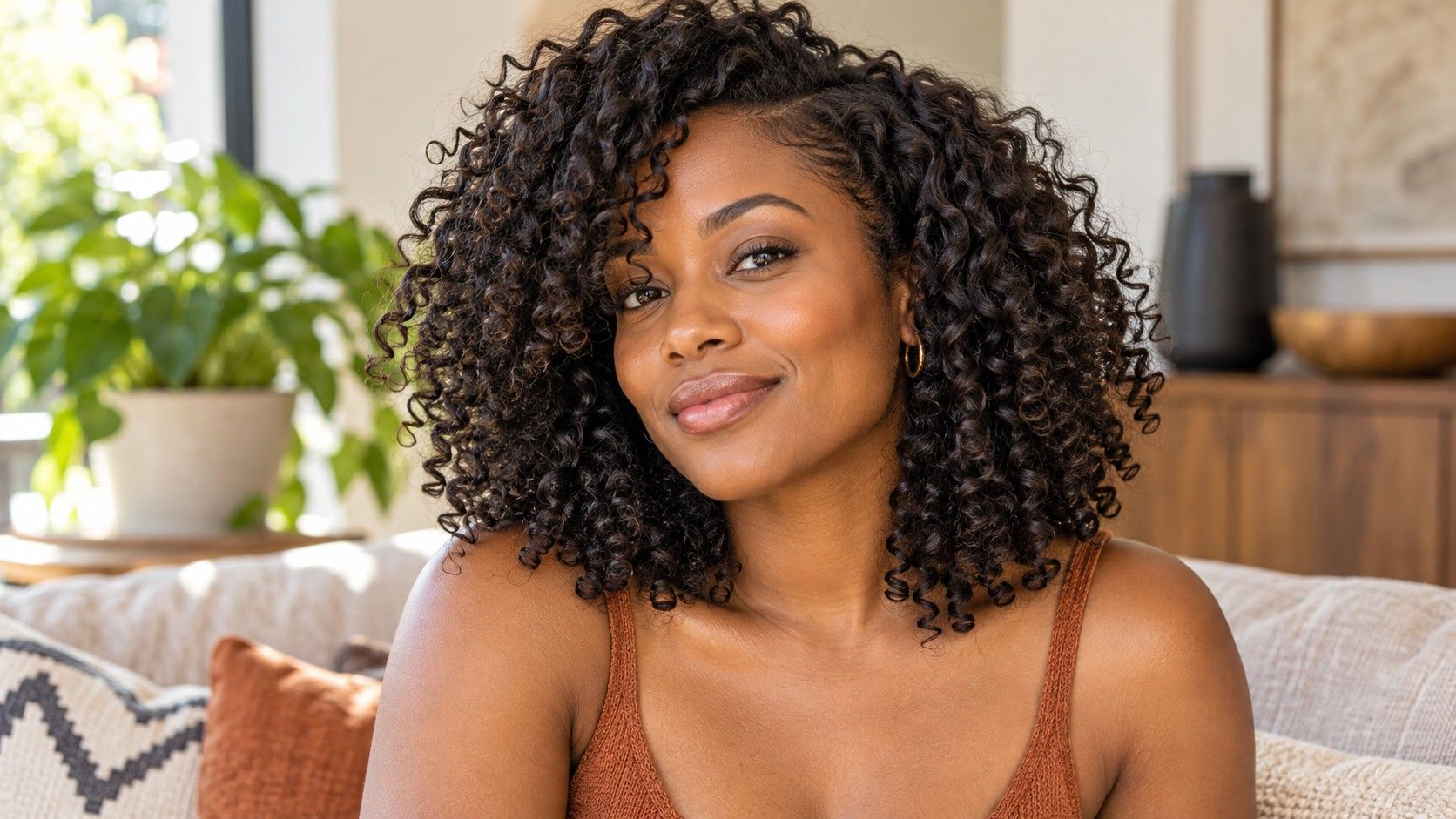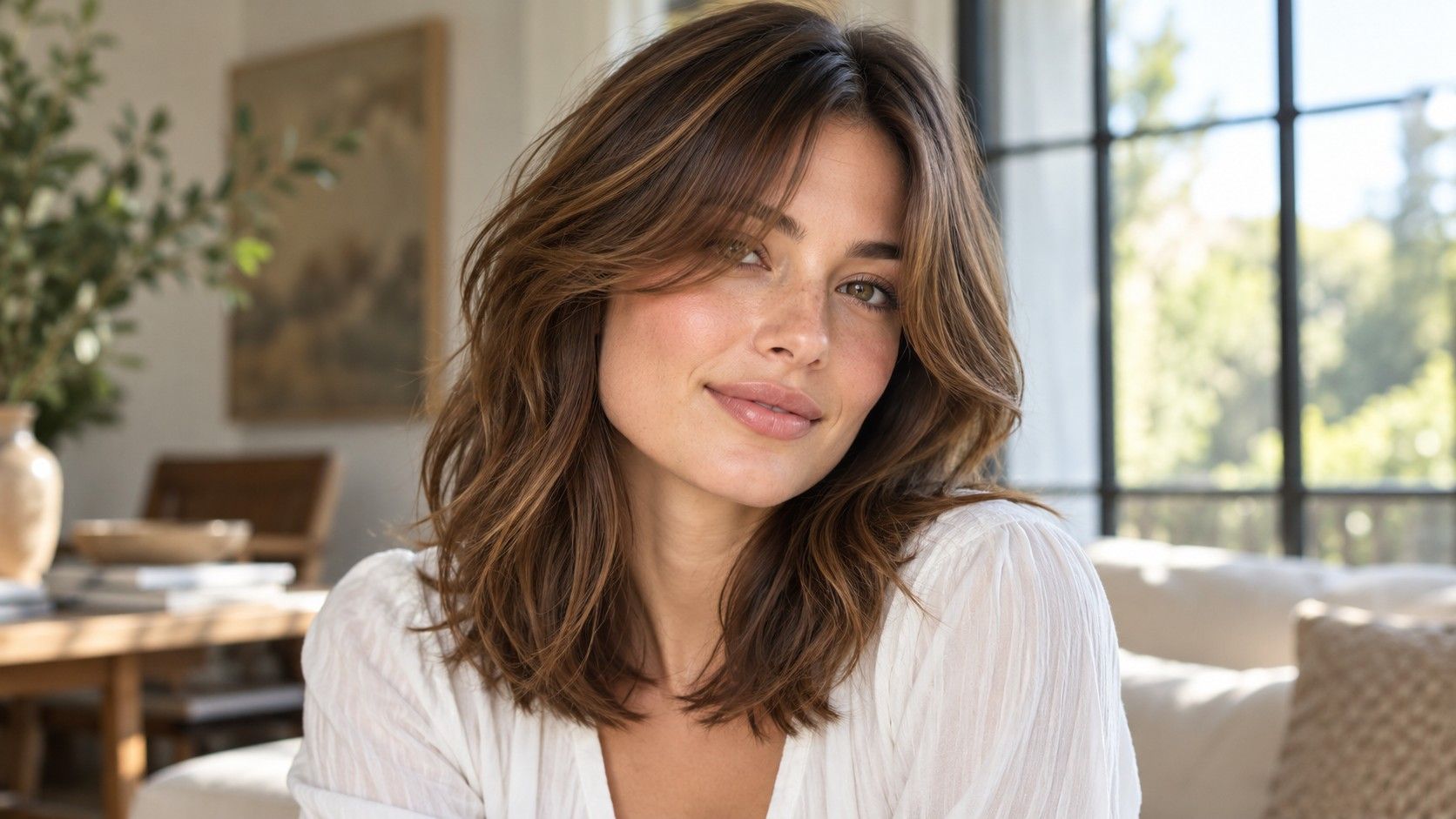
A shag and a wolf cut can look surprisingly similar in a saved photograph: a full crown, loose fringe, and ends that flick away from the neck. The practical difference is usually the degree of contrast between the upper shape and the longer back. Neither name specifies an exact haircut, and stylists may use the labels differently. When weighing a shag vs wolf cut, compare the shortest sections, the side profile, and the amount of hair left at the bottom before deciding which name to book.
Compare the silhouette from the side and back
A shag commonly suggests layers distributed through the cut, with a textured outline and movement around the face. A wolf cut often points toward a stronger contrast: shorter, fuller sections above and a more extended back, borrowing some of the silhouette associated with a mullet. These are useful descriptions rather than fixed definitions. A soft wolf cut can overlap with a pronounced shag.
That overlap makes the side view particularly useful. Look at how closely the hair follows the head above the ear, where the fullest point sits, and whether the back continues as a distinct longer section. A front photograph can conceal all three. Ask the stylist which part of your reference depends on cutting and which part comes from pushing the sides behind the ears or lifting the crown during styling.
Try describing the outline without naming it. You might want a rounded top, sides that stay near the jaw, and a long narrow back. Or you may prefer layers that flow into a fuller shoulder-length perimeter. These descriptions give the consultation a clear direction even if you and the stylist use different labels. A name becomes useful shorthand after you agree on the shape.
Decide how short the crown and fringe can be
The shortest crown pieces affect the haircut long after the salon finish has washed away. They can produce a more obvious top shape, but they may also need attention when they settle flat or point in an unwanted direction. Ask the stylist to show the intended dry length with your normal parting. A dramatic reference is a poor choice if you would immediately want those sections several inches longer.
Discuss the fringe as a separate decision. A heavy short fringe, a long split fringe, and an open face frame can change the impression of either cut. A cowlick or preferred side part may affect how the front falls. Show the stylist what happens when you leave it alone after washing, and explain whether you are willing to dampen and reset it on mornings when it misbehaves.
There is room between a subtle layer and a very short top. You can ask for a gentler version with a longer crown, then review it after living with the result. This may reduce the most striking contrast in a wolf-cut reference, which is a useful trade-off to acknowledge. Choosing that compromise is better than expecting the photograph's silhouette while keeping every upper section long.
Read the reference through your own texture
On straight hair, the separation between short upper layers and a long back can be quite visible. That may be exactly the appeal, especially when the ends are deliberately pieced out. If you prefer an uninterrupted outline on air-dried hair, a strongly separated shape may feel too abrupt. Ask to see a reference with similar straightness rather than assuming a waved version will translate without styling.
Natural waves can soften the transitions, but their pattern matters. Some sections may rise toward the crown while others hang straighter at the nape. Bring an ordinary wash-day photo so the stylist can consider where the hair already bends. Removing weight can change how those areas sit; it does not promise uniform waves or a particular amount of lift.
For curls, the visible dry shape is the relevant reference. Shortening a crown section can move its resting position substantially, and different areas may respond differently. Talk about the acceptable finished position around the ears and temples, as well as the back. The aim is to choose the balance you want in your actual texture, rather than reproduce the stretched lengths in a cutting diagram.
Density also changes the comparison. A strongly layered image can still show full ends because there is a great deal of hair in the first place. With less density, the same apparent contrast may leave a much finer tail. Ask how much hair will remain in the lower section, and be willing to soften the cut if a substantial bottom edge matters more to you.
Choose the amount of back length you will enjoy wearing
A long back is sometimes treated as the safe part of a dramatic haircut: the overall length remains, so the change sounds modest. Yet the distribution of that length may be very different. If much of the side and crown hair becomes shorter, fewer sections reach the bottom. A ponytail or braid can feel smaller even when the longest point has barely moved.
Look at the proposed perimeter on the salon cape. Do you want a dense edge across the shoulders, a soft tapered outline, or a visibly extended center? Ask what the cut will look like with all the hair behind you. Pulling it forward for a mirror photograph can make a narrow back harder to notice.
Then discuss tied-back length. Short sides may escape a low ponytail, while short crown pieces may stand away from a high one. Explain where you fasten your hair and whether pins are acceptable. If secure hair is essential for your job or exercise, this practical limit may decide the choice more clearly than the difference between the two style names.
Separate a textured haircut from a styled finish
Messy-looking reference images can contain plenty of deliberate work. Lift at the roots, a fringe opening in two balanced curves, and separated ends may depend on drying direction, product, or heated tools. Ask the stylist to identify the steps needed for the particular finish you like. A haircut can support that shape without reproducing it unaided every morning.
Consider how much adjustment you will tolerate. If the front is the only part you are happy to style, say so. If you normally air-dry and leave, ask how the cut is likely to sit with that routine. The answer may lead to a longer crown, a less pronounced difference at the sides, or a fringe that can move out of your face more easily.
Request a focused demonstration before leaving: how to arrange the fringe, encourage a natural bend, or soften the transition around the ear. Learn the purpose of the step rather than collecting a long list of products. Follow product and tool directions, and choose the version of the cut whose ordinary finish you can maintain comfortably.
Plan the grow-out while the short sections are still a choice
The distance between the shortest layer and the perimeter matters when you later want a more even shape. A very short crown will take longer to approach the bottom length than a restrained shag layer. Growth varies, so a stylist cannot promise a universal timetable. They can explain which sections would need to catch up and what intermediate shapes are possible.
If keeping length is your priority, future appointments may concentrate on tidying the outline while allowing the upper layers to grow. If you want an even bob quickly, more of the longer back may need to go. Discuss those two routes before choosing a dramatic contrast, especially if you like changing styles often.
Bring a few references with clearly identified features, including a side or back view, and one example of a result you would dislike. Ask for agreement on the crown length, fringe position, side length, and perimeter before cutting begins. Once those decisions are clear, the shag-or-wolf label has done its job: it opened the conversation without making the decision for you.